
By West Haven Australian Labradoodles · Branson, Missouri
If there is one thing I tell every new puppy family, it is this: socializing your dog is one of the most important things you will ever do for them. A well-socialized dog is calmer, more confident, easier to train, and a whole lot more fun to live with. And the earlier you start, the easier it is.
What Is Dog Socialization?
Dog socialization is the process of safely introducing your puppy or dog to new people, animals, places, sounds, surfaces, and experiences so they learn that the world is a safe and interesting place. It is not about forcing your dog to love everything. It is about building confidence through positive, gentle exposure.
A socialized dog learns to stay relaxed around the things that make up everyday life: visitors at the door, vacuum cleaners, car rides, vet visits, grooming, strangers, and other dogs.
Why Socializing Your Dog Matters: The Top Benefits
Here are the biggest benefits of socializing your puppy:
Builds confidence. Puppies who have had plenty of positive experiences are less likely to be fearful or startled by new situations.
Reduces anxiety and fear-based behavior. Fear is behind a lot of problem behavior. Good early socialization helps prevent it.
Makes training easier. A calm, confident puppy is simply more ready to learn. Socialization and puppy training go hand in hand.
Creates a safer, friendlier dog. Dogs who are comfortable around people and other animals are easier to manage in public and around children.
Makes vet and grooming visits stress-free. This matters a lot for a breed like the Labradoodle, who needs regular grooming for life. Getting used to being touched, brushed, and handled early makes everything easier.
Helps with travel and everyday life. Car rides, pet-friendly patios, family gatherings, and new environments all become easier for a dog who has been well socialized.
Strengthens your bond. Every positive new experience you share builds trust between you and your dog.
When Should You Start Socializing a Puppy?
The best time to start is early. The first few months of a puppy's life are the most important window for learning about the world, and what they experience during that time shapes how they feel about new things for years to come.
This is why early socialization is a big part of our puppy program here at West Haven Australian Labradoodles. By the time your puppy comes home, they have already started learning about handling, routine, and new experiences. Your job is to keep that going.
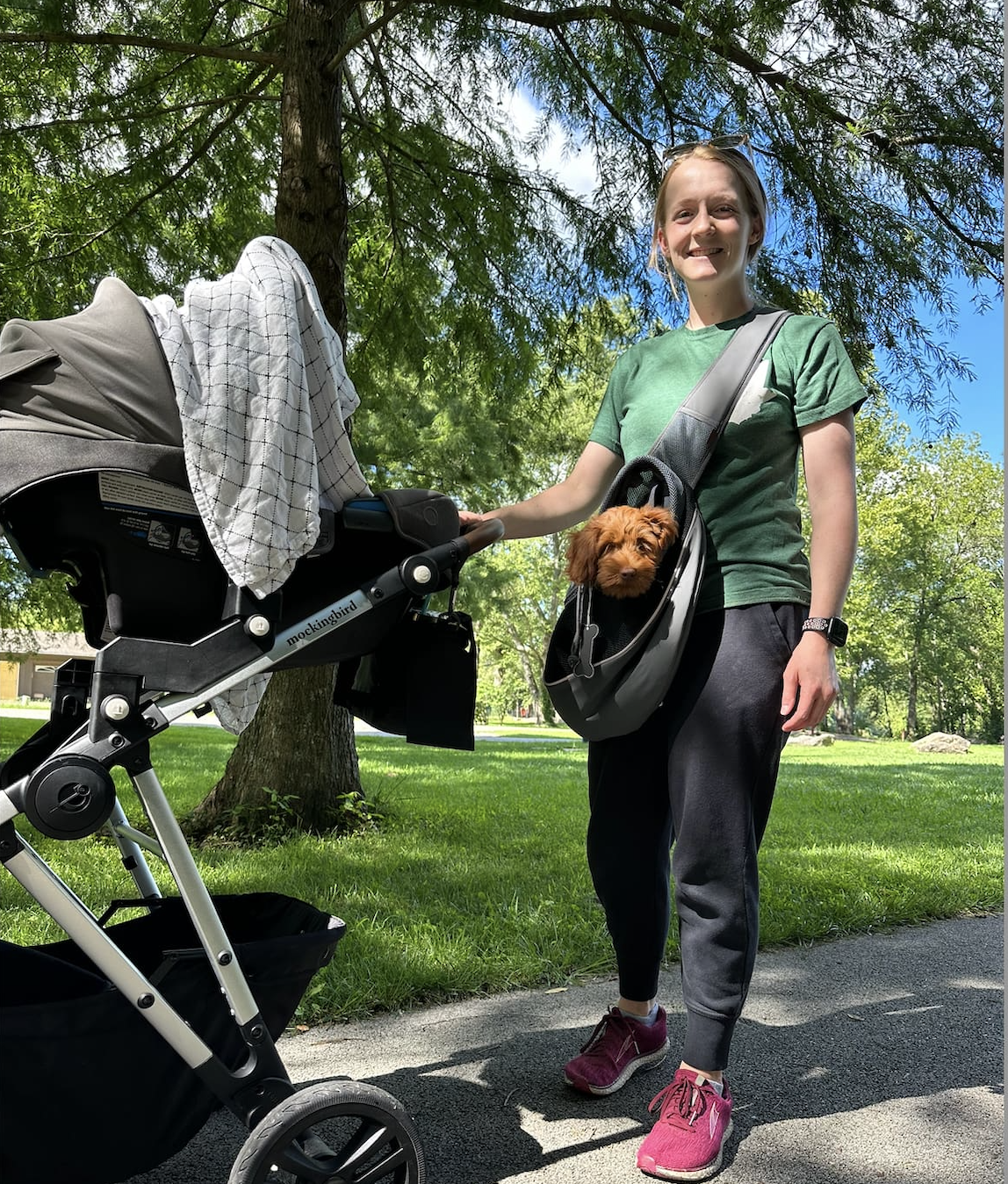
A quick note on vaccines: puppies are not fully protected until they have completed their shots, so get creative with socialization. Carry your puppy, stick to concrete, and avoid heavily trafficked areas such as dog parks and groomers. In general, we recommend puppy classes in a public setting begin around 4 months of age, after all shots have been given. Until then, there is still plenty you can do safely at home with a private trainer and in controlled settings.
How to Socialize Your Puppy: Simple Tips to Get Started
1. Keep it positive and low-pressure
Every new experience should be paired with something good: treats, praise, or play. If your puppy seems nervous, give them space and let them approach at their own pace. Never force an interaction.
2. Introduce new people
Let your puppy meet a variety of friendly people: different ages, voices, hats, glasses, and sizes. Ask visitors to stay calm and let the puppy come to them.
3. Expose your puppy to new sounds and surfaces
Vacuums, doorbells, thunderstorms (recorded), hardwood floors, grass, gravel, and tile are all worth introducing gradually. Start quiet and small, and build up.
4. Practice handling
Gently touch your puppy's paws, ears, mouth, and tail every day. Get them used to brushing and the sound of grooming tools. This is especially helpful for doodle coats.
5. Take car rides
Short, happy trips help your puppy learn that the car is not just for the vet. Make some stops fun.
6. Meet other dogs safely
Choose calm, vaccinated, friendly dogs for early introductions. Once your puppy is cleared by your vet, a well-run puppy class is a great way to build good dog-to-dog manners.
7. Work with a trainer
We recommend interviewing trainers before your puppy even comes home, and having a trainer do an initial visit in your home so you start off on the right track. Look for someone who uses positive reinforcement.
8. Be consistent
Socialization is not a one-time event. Keep exposing your dog to new things throughout adolescence and adulthood so their confidence keeps growing.
Common Dog Socialization Mistakes to Avoid
Overwhelming your puppy. Too much, too fast can backfire. Keep sessions short and end on a good note.
Forcing interactions. Let your puppy choose to engage.
Skipping socialization because the puppy seems fine. Even confident puppies need ongoing positive experiences.
Waiting too long. The earlier you start, the easier it is.
Assuming socialization stops at puppyhood. Adult dogs and rescue dogs can still be socialized with patience and consistency.
Can You Socialize an Adult Dog?
Yes. It may take more time and patience than with a puppy, but adult dogs can absolutely learn to be more comfortable in new situations. Go slowly, reward calm behavior, and consider working with a professional trainer or certified animal behaviorist if your dog is fearful or reactive.
Get Our Puppy Socialization Checklist
To make this easier, we put together a simple socialization checklist you can follow week by week. It covers the people, places, sounds, surfaces, and experiences to introduce so you do not have to wonder what you have missed. For our Socialization Checklist- Click Here
Frequently Asked Questions About Dog Socialization
How long does it take to socialize a puppy? Socialization is an ongoing process. The most important learning happens in the first few months, but you should keep providing positive new experiences throughout your dog's life.
Can I socialize my puppy before all their shots? Yes, with care. Safe options include meeting healthy, vaccinated people and dogs in controlled settings, car rides, handling practice, and new sounds and surfaces at home. Always check with your veterinarian about what is safe for your puppy.
Is socialization the same as training? No, but they work together. Socialization teaches your dog to feel comfortable in the world. Training teaches them what you want them to do. Both are important.
What if my puppy is shy or fearful? Go slower. Let your puppy observe from a distance, reward calm behavior, and never push them. If fear continues, talk with your vet or a qualified trainer.
Are Labradoodles easy to socialize? Australian Labradoodles are known for being friendly, intelligent, and people-oriented, which makes socialization rewarding. But like every breed, they still need consistent, positive exposure to grow into confident adults.
Final Thoughts
Socializing your dog is one of the greatest gifts you can give them. A little effort now leads to a happier, calmer, more confident companion for life. If you are bringing home a puppy and want guidance, we are always here to help our families every step of the way.
Ready to bring home your Australian Labradoodle puppy? Browse our available puppies or submit a puppy application to get started.
